
Summit 2026 Registration is Open!
Save Your Seat!Building Community Strength:
Connecting Local Vision to Shared Impacts
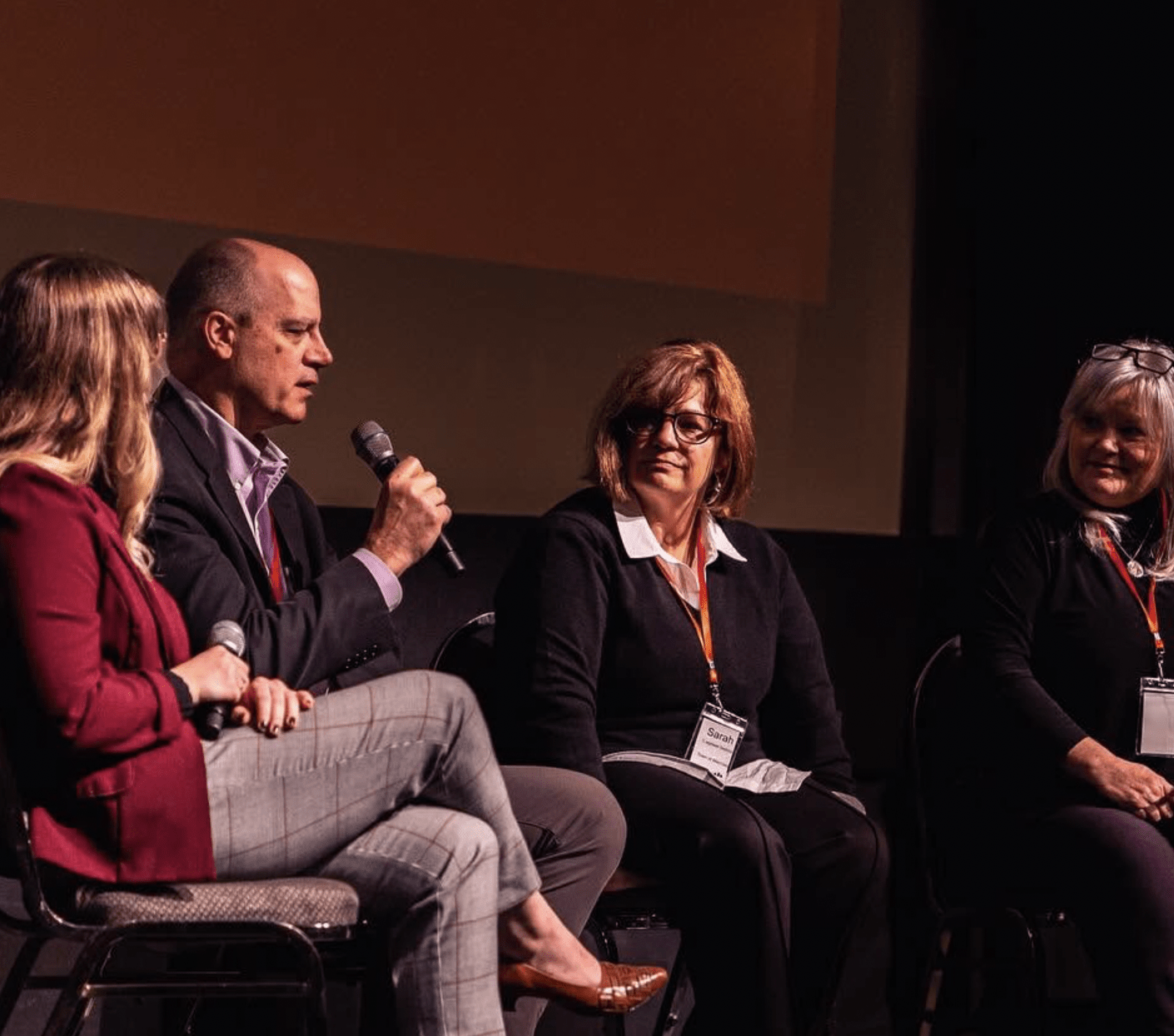
Each year, the GrowSmart Maine Summit brings together 200+ people from across Maine. The focus changes each year, yet the program consistently encourages networking to delve deeper into keynote presentations as we explore what each of us can DO as a result of what we’ve heard and seen.
- Maine Smart Growth Awards highlight the projects, policies, and people contributing to a more sustainable and prosperous Maine.
- Community Spotlights feature smart growth projects so attendees can ask questions and learn from the practical experiences of communities from across Maine.
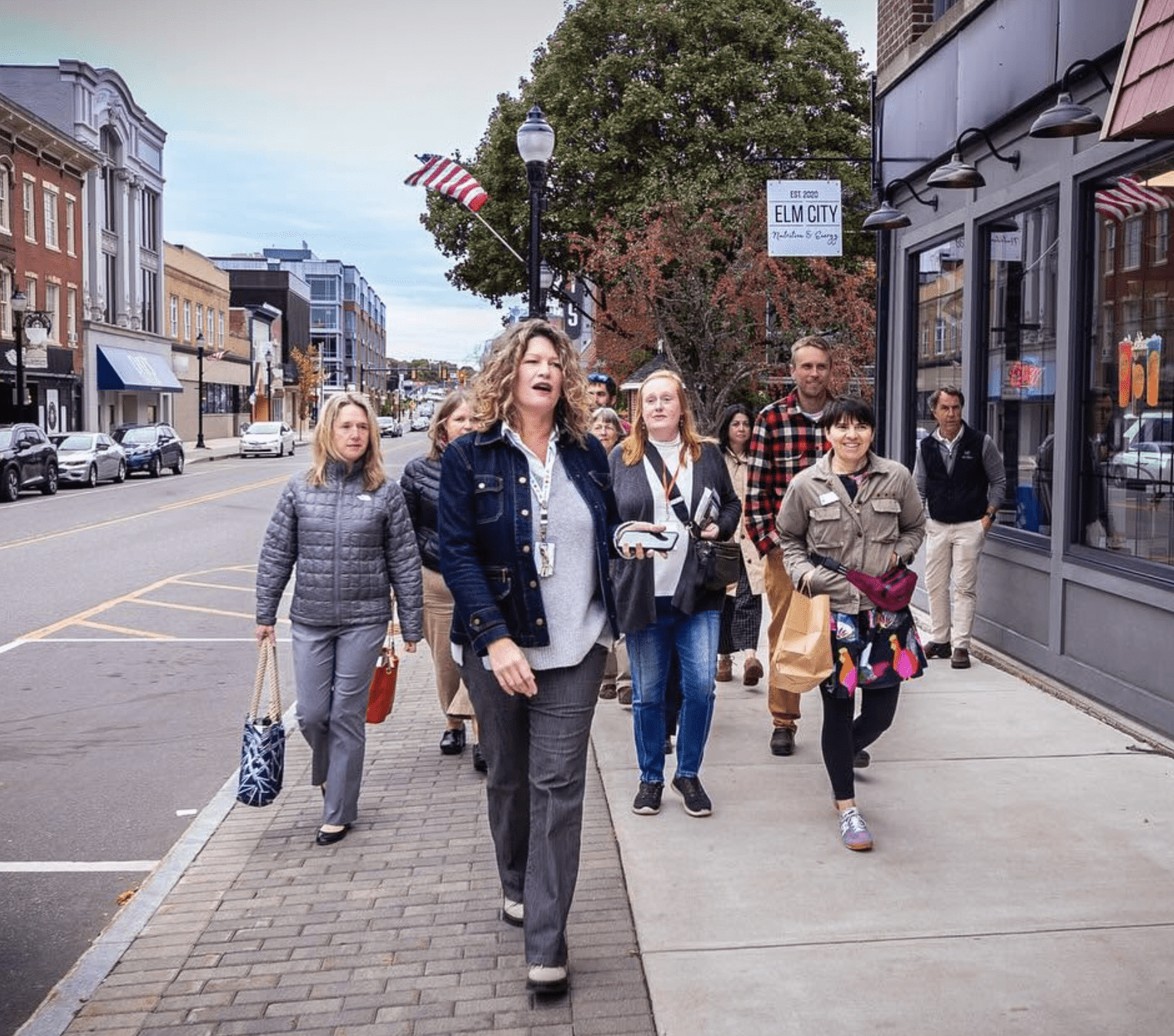
- City Experience Tours offer attendees a choice from several curated walks in the downtown area before the reception to round out the day.
- The GrowSmart Maine Annual Meeting – a brief opportunity to meet officers and members of our Board of Directors.

KEYNOTE SPEAKERS
Denise Smith joined the Vermont Council on Rural Development’s team as their Executive Director in September 2024, bringing over 20 years of experience building stronger, healthier communities through collaborative leadership and creative problem-solving. VCRD brings together residents, nonprofits, businesses, and government at every level to support the self-directed progress of Vermont’s rural communities, work that builds durable local leadership and strengthens communities from the ground up. Denise’s background is a natural extension of that mission: her career has centered on bringing diverse stakeholders together to tackle complex, community-wide challenges, from public health to environmental stewardship to economic vitality.
From 2017 to 2024, Denise served as Director of Population Health Programs and Strategies at Northwestern Medical Center, where she worked together with community partners, residents, and health providers to design programs that improved health outcomes across the region. Before that, as Executive Director of Friends of Northern Lake Champlain, she led a coalition-driven effort to protect and improve the water quality of Lake Champlain, uniting farmers, municipalities, and residents around shared solutions.
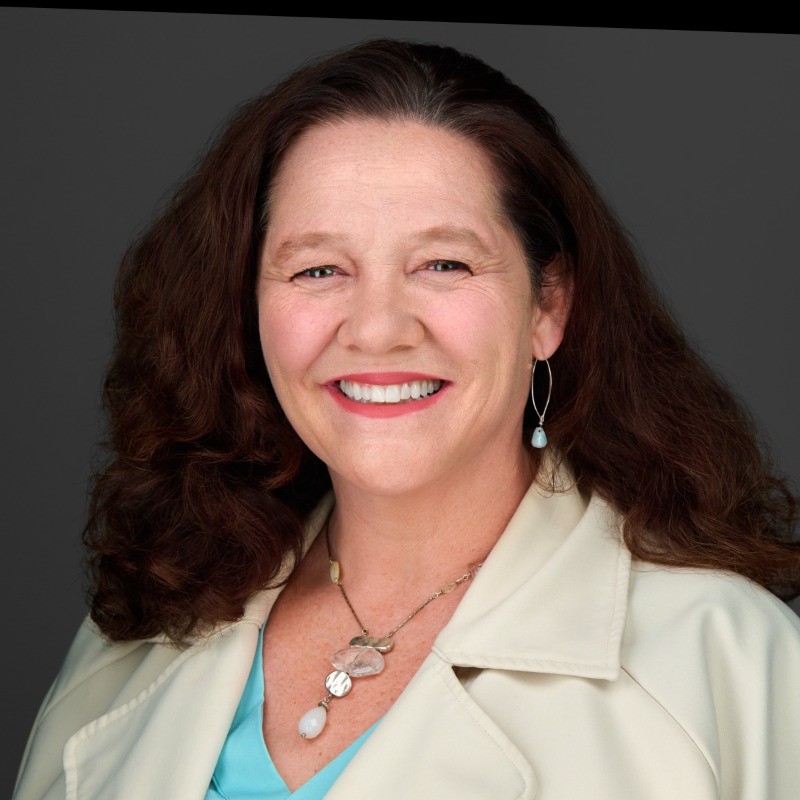

Denise’s commitment to collaborative decision-making extends to her board service, including the Citizens Advisory Committee for Lake Champlain and the Vermont Public Health Association, where she helps shape policy and strategy through consensus-driven processes.
Her approach to community building was shaped early on by her service in the Peace Corps in Mali, West Africa, where she learned to solve problems creatively and build trust across cultural lines, a foundation she has carried into every community she’s worked with since. Denise holds a Master of Science in Leadership for Sustainability from UVM’s Rubenstein School.

Luke Dyer is a graduate of the University of Maine at Fort Kent and dedicated over 30 years to a career in law enforcement before retiring as Van Buren’s ‘Acting’ Chief of Police in 2021. Transitioning into municipal leadership, he became Van Buren’s Town Manager in 2022, where he has focused on revitalizing the community through innovative projects utilizing an incremental development philosophy.
He graduated from the Institute for Civic Leadership, Maine Development Foundation’s premiere leadership program, as a proud member of the Elephant Class, further advancing his commitment to Maine’s rural revitalization. That same year, he was honored as the recipient of the Maine Downtown Center’s William F. King Downtown Champion Award. Luke’s work was further recognized by the Maine Town, City & County Management Association as the 2025 recipient of the Rising Star Award.
Luke has participated in Building Community Strength since the program’s inception in 2023.
Nick Battista is the Chief Policy Officer and External Affairs Officer at Island Institute, where he leads efforts to strengthen coastal communities through the organization’s work to “Meet the Urgent need for Community Capacity.” This work includes Island Institute’s Fellows program, a new housing initiative, and the organization’s government and community relations. Nick also helps lead the organization’s Trusted Voice work, which includes science and data translation initiatives as well as advocacy.
Nick has led the organization’s policy work since 2018, securing state and federal policy wins for Maine’s island and coastal communities on a range of issues, including expanding rural broadband, enhancing the resilience of energy systems, and protecting working waterfront infrastructure.
Prior to overseeing our policy work, Nick spent six years as the Marine Programs Director at the Island Institute. In that role, he helped give fishermen and coastal communities a stronger voice in the ocean planning process; helped fishermen diversify their income by starting a shellfish or seaweed aquaculture business; and helped them understand how ocean acidification and sea level rise will impact Maine’s communities.
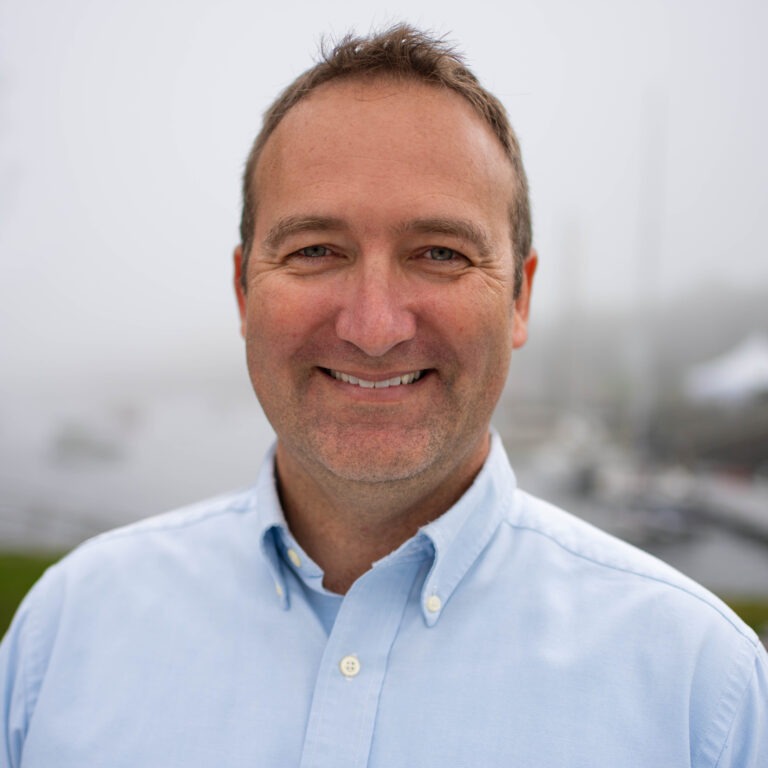

Nick holds a Juris Doctor from Roger Williams University School of Law, a master’s in Marine Affairs from the University of Rhode Island, and a bachelor’s degree from Colby College. Nick lives with his wife and daughter in Camden.

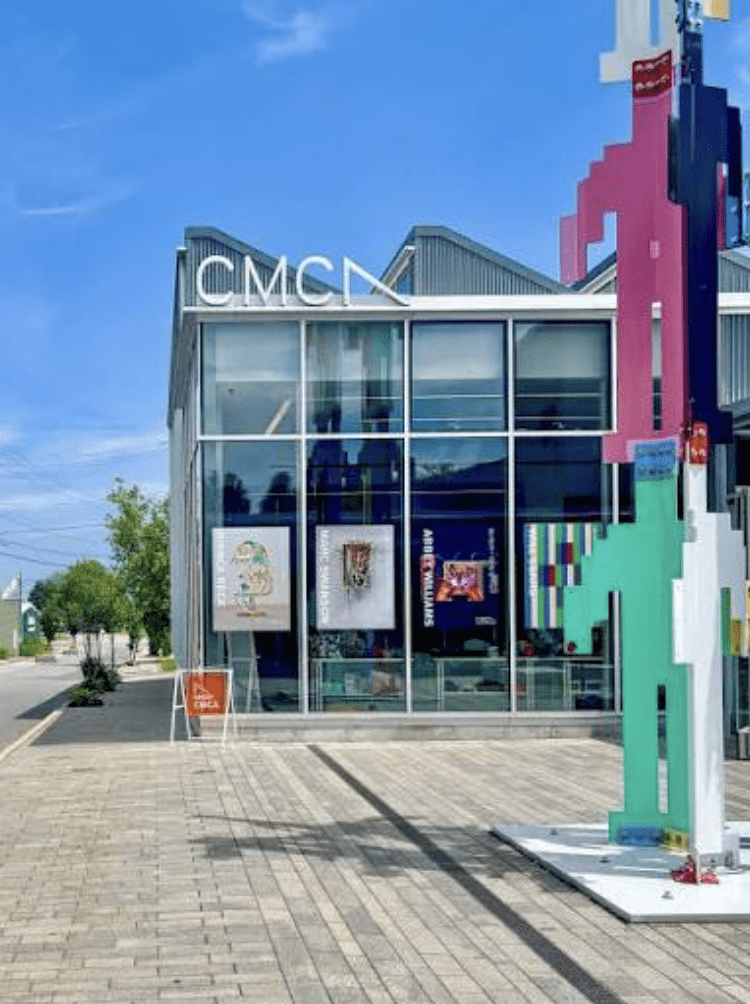
COMMUNITY SPOTLIGHTS
1. Maine Zoning Atlas
Making Sense of Maine’s Zoning Maze
How do Maine communities compare when it comes to zoning, housing, and land use? The Maine Zoning Atlas is mapping zoning regulations to make this complicated landscape easier to understand. Learn how better access to zoning information can help communities identify opportunities, understand barriers, and make more informed decisions about growth and housing.
3. Sunset Terrace Mobile Home Cooperative
Residents Taking Ownership of Their Housing
When residents own their mobile home community, they have a direct stake in its future. Sunset Terrace residents purchased their 76-home Rockland community in 2016 and have since worked collectively to manage the property, improve infrastructure, and secure major investments. Hear from cooperative leaders about the opportunities—and responsibilities—of resident ownership as a model for preserving affordable housing.
5. Island Falls
Trails That Connect Communities
Island Falls is investing in outdoor recreation not just as an amenity, but as a way to strengthen the community and connect with its neighbors. Learn how the town is developing in-town outdoor amenities while working with nearby communities and regional partners to build a larger trail network. Hear from Town Manager Jutta Beyer and Steve Kasacek of Outdoor Sport Institute about turning local recreation assets into a regional opportunity.
2. Stonington
Building a Resilient Working Waterfront
Stonington is taking a proactive approach to protecting the infrastructure and economic activity that make its waterfront essential to the community. Explore how the town has used vulnerability assessments, planning, and targeted projects to address flooding, sea-level rise, waterfront access, and the future of its working waterfront—and what other coastal communities can take from its experience.
4. Local Wood WORKS
Growing Housing Without Losing the Forest
Can Maine add housing while keeping forests working and forestland conserved? Local Wood WORKS is exploring the intersection of forestland conservation, housing, and Maine’s wood economy. Learn about the emerging “triple win” approach that connects active forest management, locally sourced building materials, housing, climate benefits, and community vitality.
6. Rockland Main Street
Reimagining Main Street as a Community Gathering Place
What happens when a downtown street becomes more than a route for cars? Rockland Main Street is working with residents, businesses, artists, and the city to create a more active, welcoming, year-round downtown. Explore initiatives such as Sunday Strolls and learn how small, community-driven interventions can bring people downtown, support local businesses, and strengthen a sense of place.
City Experience Tours
Film: Unless Something Goes Terribly Wrong
As America’s aging wastewater system begins to fail, one plant does all it can to stay afloat. Plant manager Dustin Price, together with his dedicated team, battle aging infrastructure, “forever chemicals” and the misconceptions of an odor averse public to keep Portland, Maine clean and healthy.